From the precision of haute cuisine to the warmth of a ramen bar, Ignacio Roa and Misha Fukuda created Mirai Food Lab—a space where fermentation, local products, and high-level techniques are presented in a simple, accessible format.
Fine dining world, with its lights and shadows, offers an intensity that many people consider addictive: precision, skill, technique, and a way to understand the kitchen as an experimentation space, like a scientist in its laboratory.
It is in that scenario where the paths of Ignacio Roa and Misha Fukuda align. Both worked in high-end restaurants in different countries around the world —from Denmark and Australia to the United States and Japan— finally meeting at Inua, Thomas Frebel’s project alongside René Redzepi that closed in 2020. However, not everyone who travels this circuit seeks to remain on it: while some pursue prizes and rankings, others opt to reinterpret what they have learned in their own projects. Somehow, betting on a still, peaceful and personal life.
Ignacio is a street food lover, mainly Japanese food; “we started with the idea of opening a ramen bar during COVID, but with the pandemic we shifted our focus towards the development of fermented products,” the chef told us. Although he always dreamed of raising that concept on his own terms, in 2020, after he arrived in Chile, the context led him to redefine his path, without ever losing his objective.
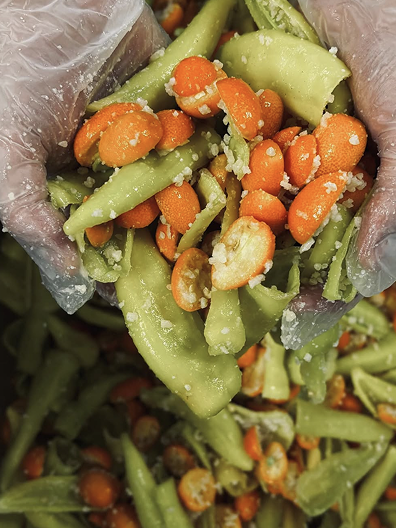
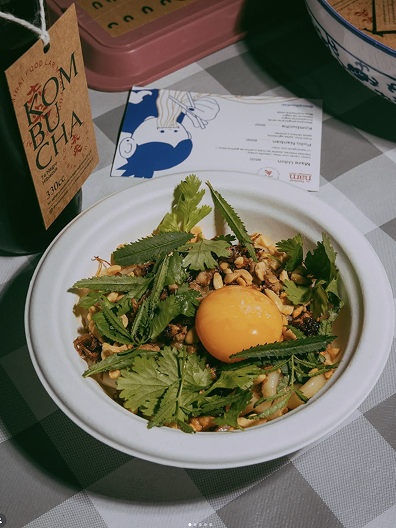
Misha, meanwhile, initially came to this country on holiday —as a visitor— with the idea of helping Ignacio with his new project. However, the pandemic extended Misha’s stay longer than planned; six years later, she is still here, with an established brand and two locations operating (in Factoría Franklin and in MUT). “Both of us work in restaurants where fermentation, seasonal ingredients, and respect for the land are important: using local products, not only from our city, but rather all over the country,” said Misha about the philosophy of Mirai Food Lab, which began in our house with bread, kombuchas, kimchi, chili oils and miso elaboration and delivery, all of them were made of local products —like merkén, cochayuyo, citrus, rice, and others— which are still part of their repertory.
We are merging two worlds, and that is very interesting: people can try accessible high-level techniques.
“We come from kitchens where we cook with the highest quality products, but when you want to open your own project, you understand that it is not always viable: it is expensive and unsustainable. That is why we adapt our gastronomy to Chile, looking for the best products available. As Misha says, the experience is of great importance: when you know the ingredients very well, you can experiment, adjust, and trust that the result will work,” said Ignacio. “We are merging two worlds, and that is very interesting: people can try accessible high-level techniques. The new slow fast food concept is not new, but I believe it is the future.”
Movement as a language
Turning their proposal into something concrete was a challenge. “We started very, very small and we had no money. When we opened our first place, we had practically nothing. It was like: ‘okay, let’s do it’, and we just dived in. At the beginning, I thought we might have to close the business, because everything was moving slowly; but suddenly it took off. Even so, at this stage, you have to do everything: cook, accounting, and talk with the suppliers. You are in every detail of the business,” the chef told us.
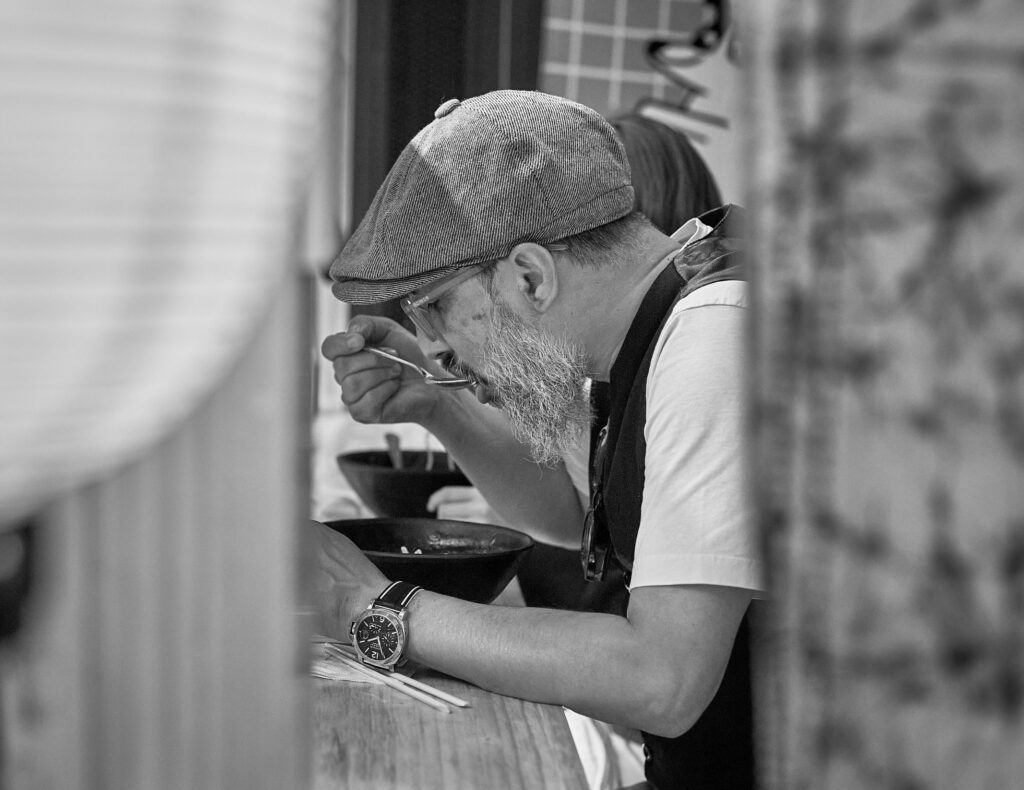
As he said, everything that involves movement has something in common. “When you repeat a specific action every day, then you start acting by inertia. In the ramen bar —where the kitchen is usually on full view— you can see how every single dish is prepared in the same way, over and over again. Those movements become internalized and the body memorizes them; that applies to everything.”
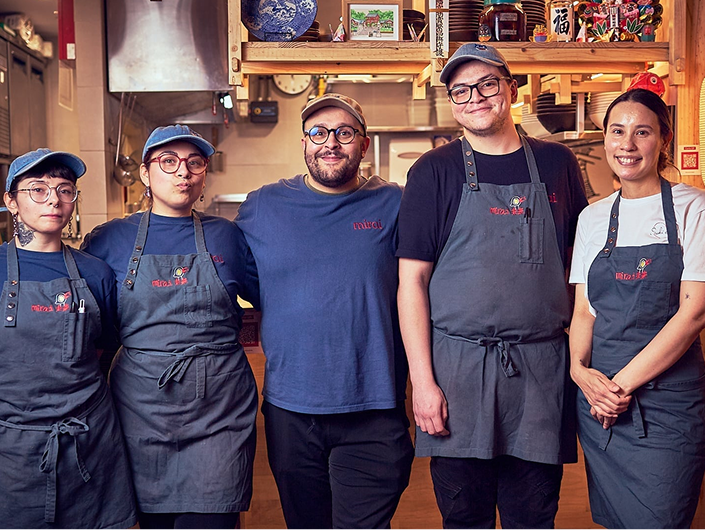
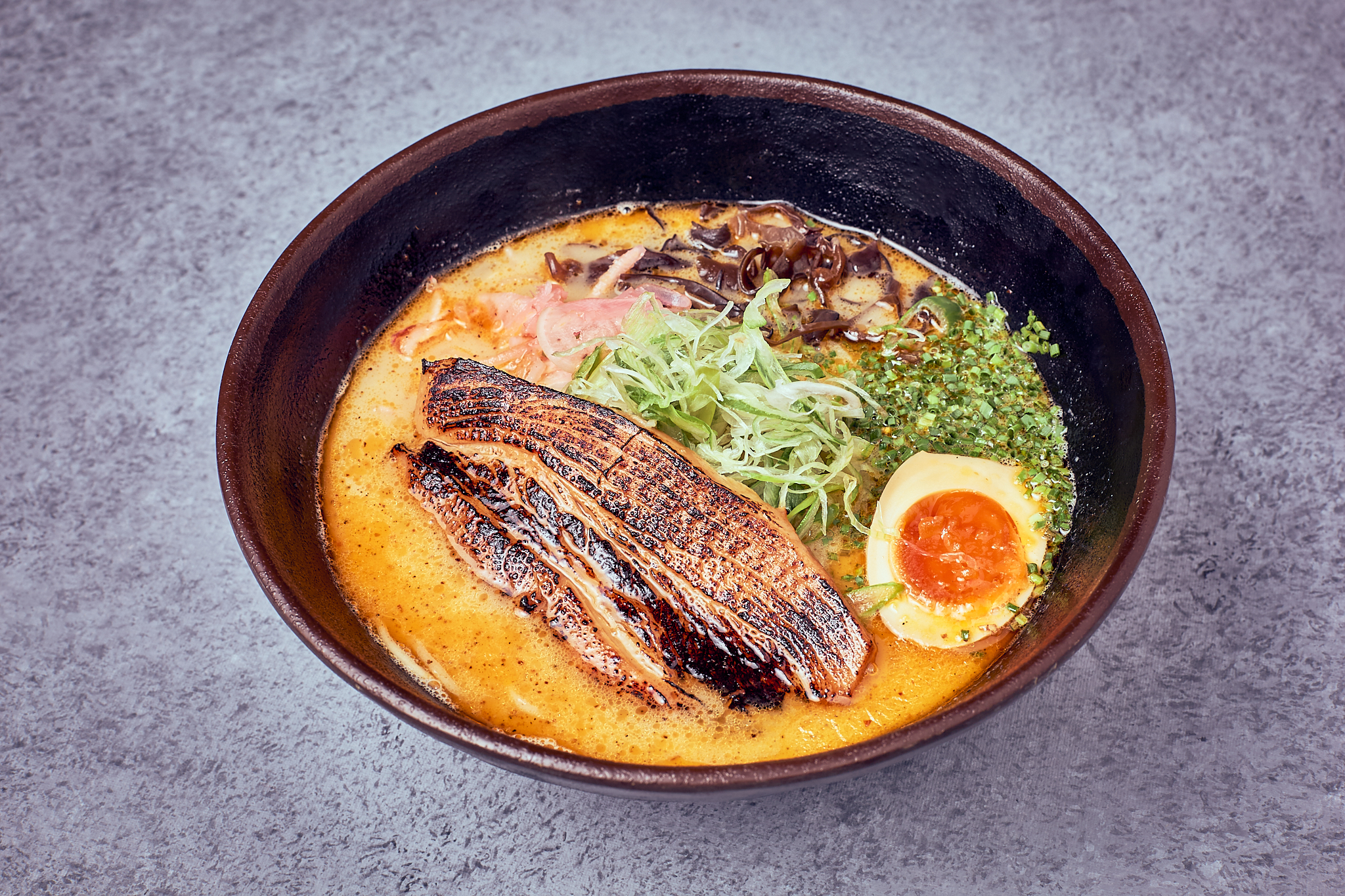
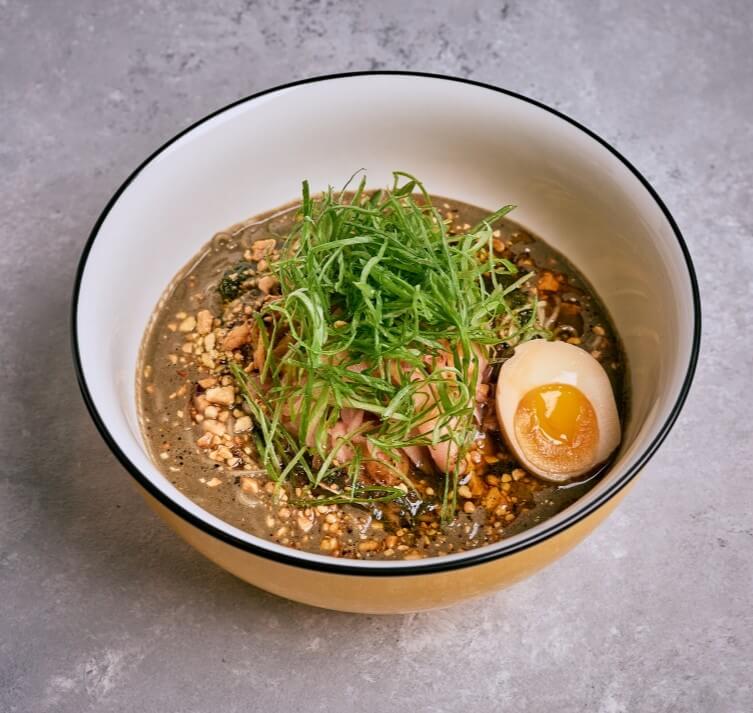
Basically, this is the practice that both have been repeating for several years: follow Mirai’s operation and guide the team to understand what it truly means to craft signature dishes like ramen, tonkotsu, and tantanmen. “It is something that must be taught and conveyed; we chose to do it intentionally, almost romantically. A ramen bowl has many layers and we respect that process: tare, abura, dashi, noodles, and toppings. There is something very lovely in that sequence. In order to teach this process, it is important to stay present, repeat it, and demonstrate it. Over time, the team incorporates this sequence and understands our way of doing things,” said Ignacio.
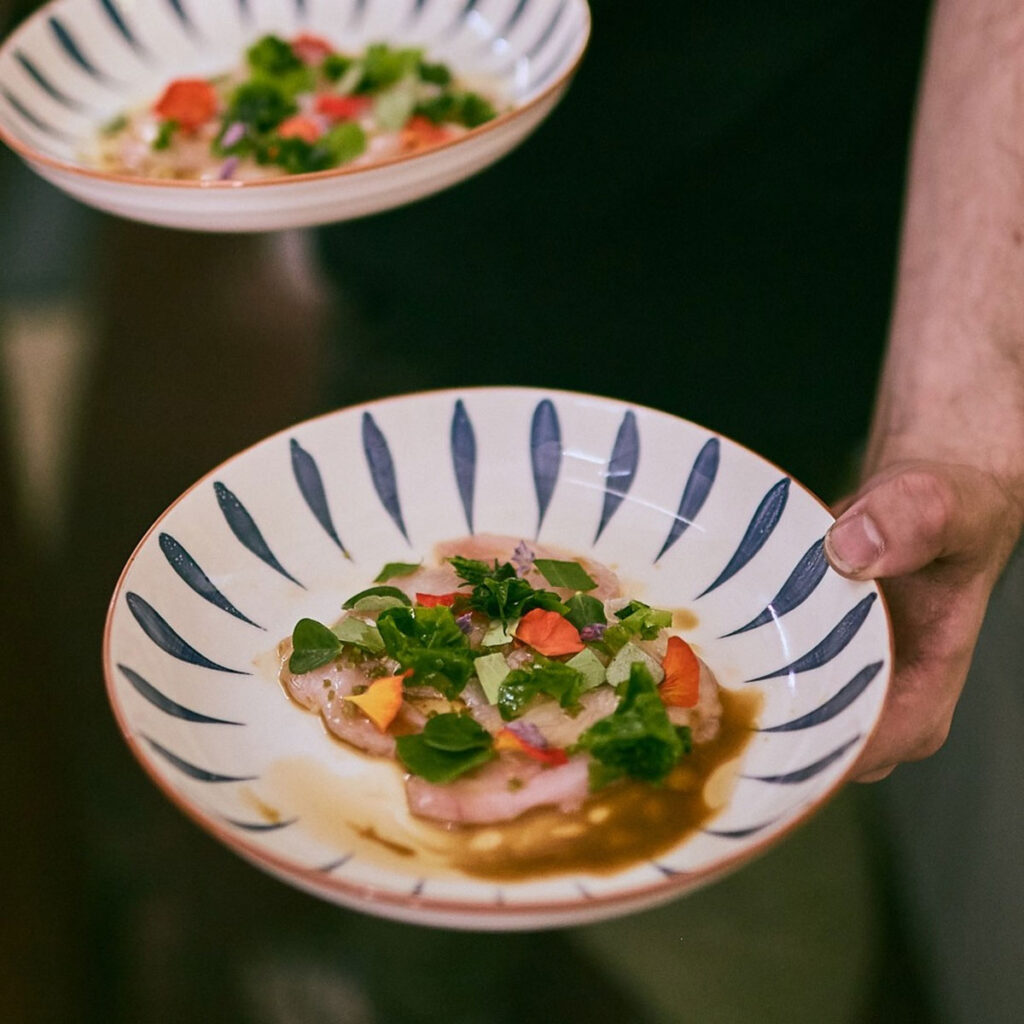
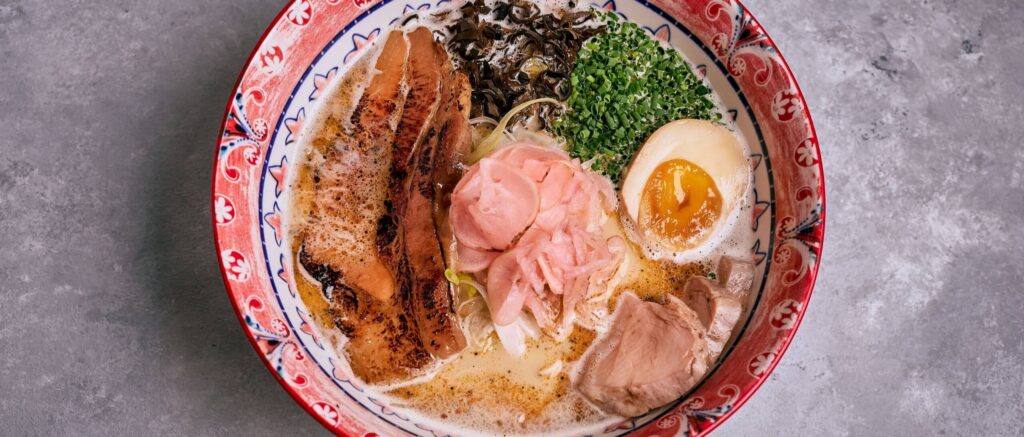
"Mirai", future in japanese
With two locations under their belt and high foot traffic from Monday to Sunday, both chefs state that their time and focus are on their businesses. However, they would love to continue exploring Chile and the variety of ingredients it has to offer. “Our goal is to keep making Mirai possible, making not only our guests happy, but also those who work with us. We still want to research, creating new dishes and concepts,” expressed Misha.
Even though during the conversation some future projects and dreams they have in mind emerge —from a collaborative test kitchen to a concept that allows them to explore new ideas,— Mirai’s future now is to make the restaurant into a learning place, for both customers and our co-workers. “We are chefs, and for us, it is important to have held the same roles as our team. We want to do things differently: to stay present and not disappear. Although we are the owners, we are also there every day, working with our team, solving problems, and being part of everything. It’s about building something better and creating a space that truly works for everyone,” Ignacio concludes.
Translated and edited by Valentina Cárdenas Ponce and Fernanda Salinas Chávez.
 Cocina Asiática


María Jesús Reyes H.
Journalist
María Jesús Reyes Herrera (1999) is a journalist who graduated from the Universidad de los Andes and holds a master's degree in Gastronomic Communication and Journalism from the Basque Culinary Center. She is the co-founder of the platform Petisco (@petiscocl) and has experience in communications for gastronomic projects. She was the digital editor for L'Officiel Chile, a publication with which she continues to collaborate. Additionally, she writes about gastronomy for MUT.
 Blog
Blog